Death Tarot Card Meaning
Death
Pamela Colman Smith, 1909
- Upright
- endings · transformation · transition
- Reversed
- resisting change · stagnation · fear of endings
- Arcana
- Major · Number XIII
- Element
- water
- Learn it in
- Day 15 of the 30-Day Tarot Path
In short
Death is the card of endings that make room. It almost never points to a literal death. Upright, it asks what has run its course: a habit, a role, a version of yourself. Reversed, it shows the cost of clinging to what is already over. Think of it as a door closing, not a light going out.
What you see on the Death card
Look first, read later: this is the Image-First Method from Day 5 of the course. Start with what is actually in the picture.
- Figure
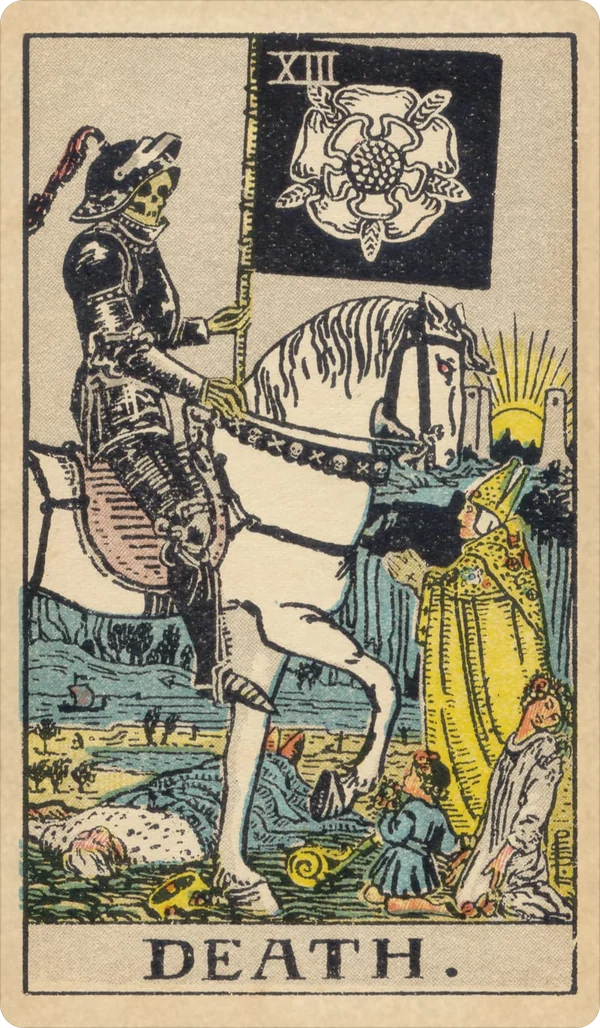
- A skeleton in black armor, a red plume on its helmet, rides a pale horse. It carries no scythe, only a flag.
- Action
- The horse steps forward over a fallen king whose crown lies in the grass. A bishop in a gold miter faces the rider with his hands pressed together, while a young woman turns her head away and a small child looks straight up.
- Setting
- Behind the scene a river runs to the edge of the card, a small boat sails on it, and a sun sits low between two stone towers.
- Color
- Black armor and a black flag against a pale gray sky, with the bishop’s warm yellow robe as the brightest patch on the card.
- Detail
- The flag shows a white five‑petaled rose, an old emblem of life and purity, and the numeral XIII. Look closely at the horse’s breastplate: it is decorated with tiny skulls.
Death upright meaning
Pamela Colman Smith drew Death without a weapon. The rider holds a flag, not a scythe, and the horse simply keeps walking. Kings, clergy, young people and children are all in its path, and none of them can stop it. That is the heart of the card: change arrives for everyone, and status does not buy an exemption.
Upright, Death points to a chapter that is complete. It might be a job you have outgrown, a friendship that has quietly thinned out, a city that no longer fits, or a belief about yourself that used to protect you and now just takes up space. The card does not say the ending is easy. Look at the girl turning away and the bishop pleading. It says the ending is real, and that pretending otherwise costs energy.
The sun between the two towers is easy to miss, and it matters. Smith placed it low on the horizon, so it could be rising or setting. Death holds both views at once. Something closes so that something else has light to grow in.
In a daily pull, try asking: what in my life is already over, even if I have not said so out loud? Naming it is often the first relief this card offers.
Death reversed meaning
Reversed, Death usually describes a door that is half closed. You may know a phase is finished and still keep visiting it: rereading old messages, staying in the group chat, holding the role because leaving feels like failure. The card asks what you are protecting by staying in the in-between.
Sometimes the reversal points to a slower ending rather than a refused one. Not every change needs a dramatic cut. A gradual release, with time to grieve, can be healthier than ripping something out. The useful question is whether you are pacing the change or avoiding it. Honest answers to that tend to feel uncomfortable and clarifying at the same time.
Death in love and relationships
Upright in love
In love, Death asks what pattern in the relationship is ready to end. That can mean a breakup, but far more often it means retiring a way of relating: the same argument on repeat, the habit of keeping score, the version of you that never asks for anything. Couples who have been together a long time often meet this card when the relationship needs a new shape. Single people may notice it when they finally stop measuring every new person against an ex.
Reversed in love
Reversed in love, Death can point to a connection that is held together by fear of the empty space rather than by care. You might notice yourself waiting for a partner to change back into who they were at the start, or keeping a door open for someone who has already walked through it. The card does not tell you to leave or stay. It invites you to look at what you are clinging to, and whether that thing still exists.
Death as feelings
When people ask what Death means as feelings, they usually want to know what someone else feels. Tarot Habit turns that around: the card asks you to notice the feelings already present in the connection. Death as feelings often looks like grief for how things used to be, a sense that something has shifted and cannot be shifted back, or relief that is hard to admit. Ask yourself which of those you are carrying, and which you are assuming the other person carries.
Death in career and money
In a career spread, Death often shows up around the end of a role, a team or a way of working. A project wraps, a manager leaves, a skill you built your reputation on stops being the thing people need. The card suggests closing the chapter on purpose: document what you learned, thank the people involved, and let your identity loosen from the old title. With money habits, it can point to a spending pattern or a side project you keep funding out of loyalty to who you were when you started it.
The shadow side of Death
Look at Death from its shadow side and you find not the ending itself. It is the part of us that would rather stay stuck than feel loss. The practice here is looking at your relationship with endings. Do you leave before you can be left? Do you hold on to people, jobs and possessions long after they stopped fitting, because letting go would mean admitting time has passed? Some of us also use endings as an escape, burning things down instead of repairing them, so the pain has a clear start and finish. Notice which of these feels familiar. The skeleton on the card has no face to read; it simply keeps moving. Your shadow often does the opposite, freezing in place and calling it loyalty.
Death in yes-or-no questions
Death is one of the most searched yes-or-no cards, and people often expect it to mean a hard no. Tarot Habit does not use cards for yes-or-no verdicts. An open question keeps the decision with you and lets the card do what it does best: show you what is changing.
Instead of
“Is this relationship over?”
Try
“What in how I show up in this relationship is ready to end, and what would I like to grow in its place?”
Death as advice
Pulled for advice, Death says: finish things properly. Write the last email, return the borrowed book, say the goodbye you have been postponing. Clear one small thing today that belongs to an older version of you. Endings handled with care leave much less residue than endings that are dodged.
Journal prompts for Death
- What in my life is already over, even though I have not said it out loud yet?
- Who would I be without the role, routine or story I am most afraid to let go of?
- Look at the five figures on the card: king, bishop, young woman, child, rider. Which one am I being right now, and why?
Death with other cards
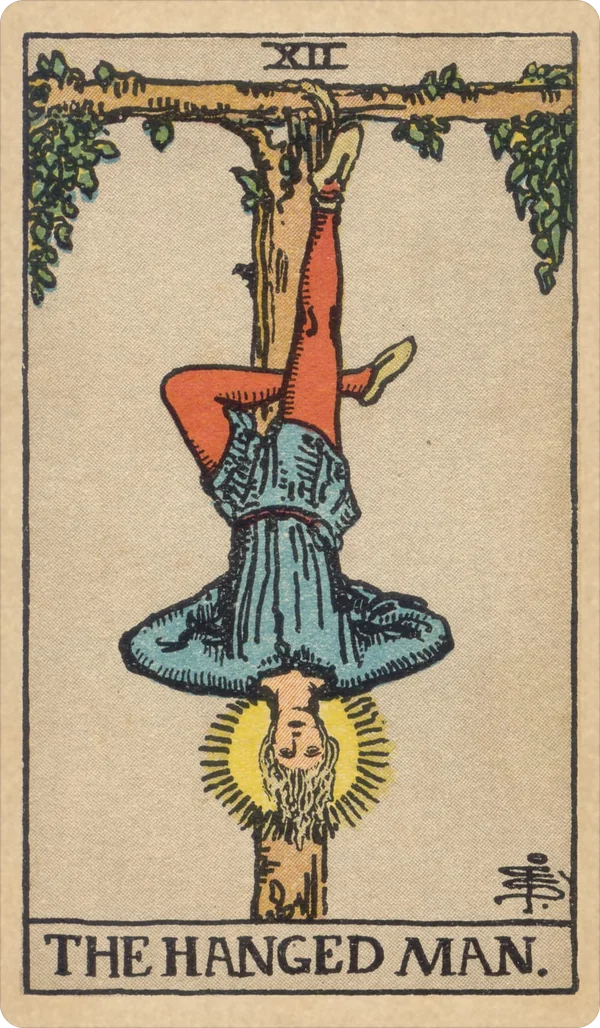
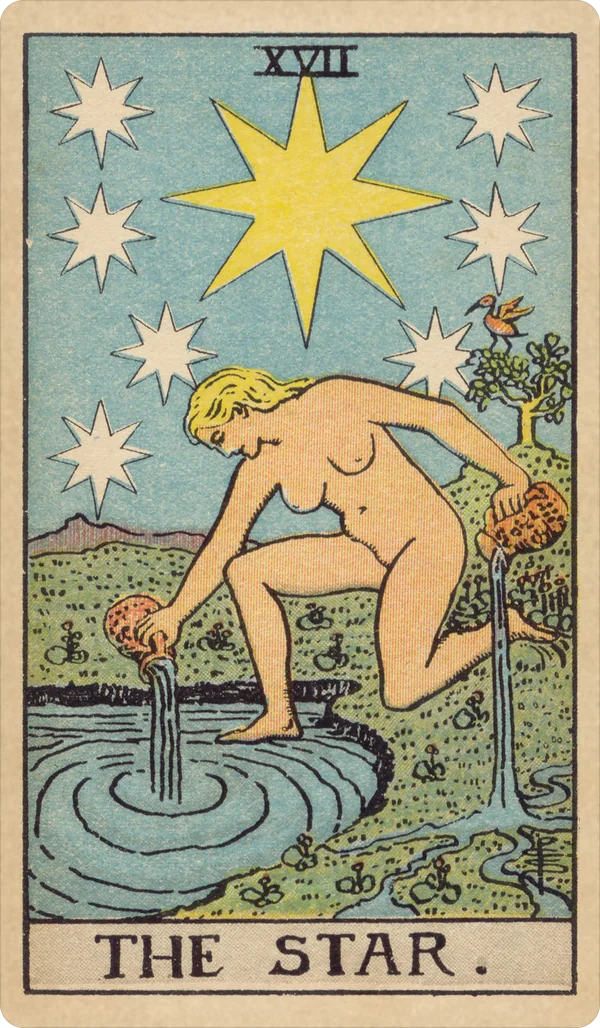
- Death and The Star
Death followed by The Star is one of the gentlest pairs in the deck: an ending, then the quiet work of hope and healing. Together they describe recovery after a loss, one small step at a time.
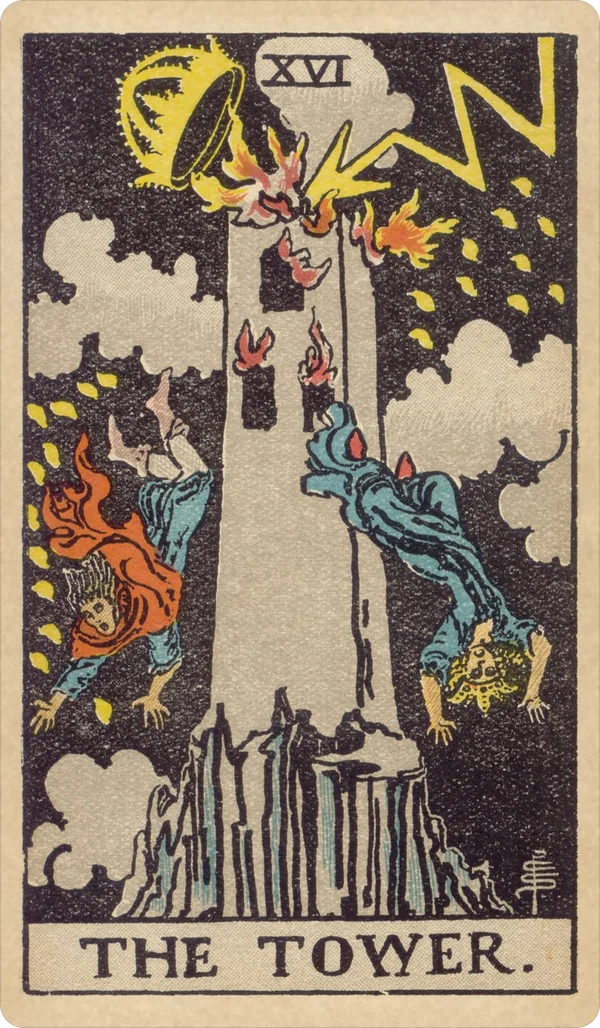
- Death and The Tower
The Tower is sudden; Death is steady. When they appear together, notice whether a change is being forced on you or whether you have been ignoring a slower ending until it arrived all at once.
- Death and Eight of Cups
With the Eight of Cups, the emphasis falls on choosing to walk away. Something is complete and you are the one who decides to leave it.
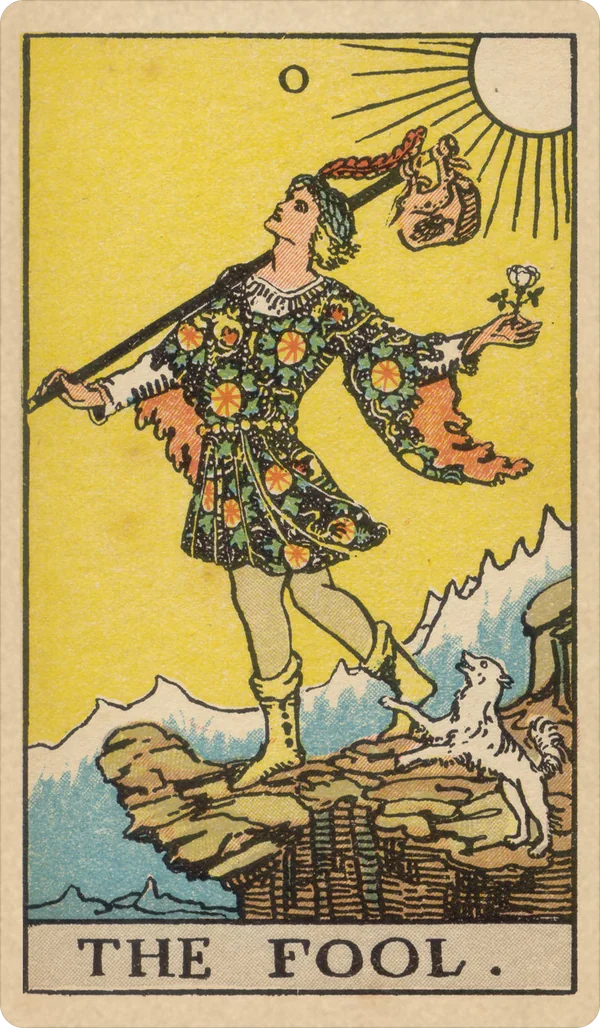
- Death and The Fool
Death and The Fool together frame a clean start. One door closes, and the card that follows is pure beginning, so ask what you would try if the old chapter no longer held you back.
The most common misreading of Death
The most common myth about Death is that it means someone is going to die. On r/tarot and in beginner videos this question comes up constantly, and it frightens people away from the deck. In the 1909 deck, the skeleton is a symbol of transition, not a medical forecast. The card is about the end of a phase. Another misreading is that Death is always sad. Many people meet it right before something they had wanted for a long time, because making room was the missing step.